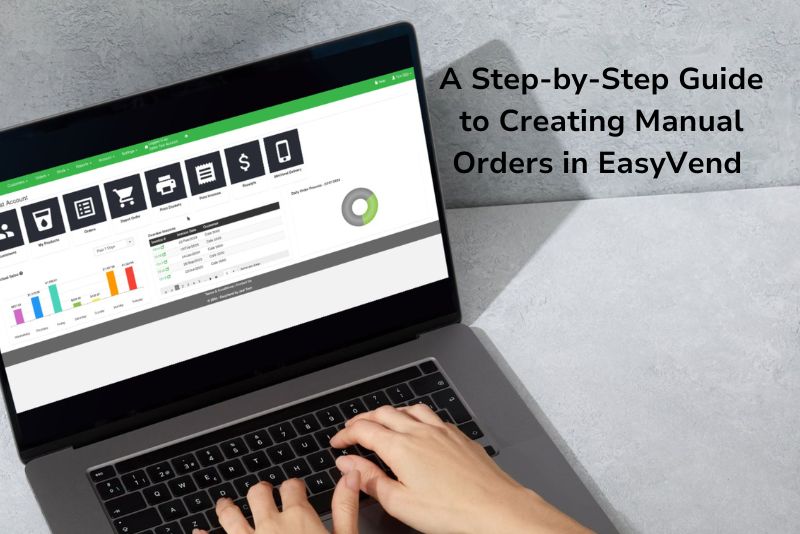

For food and beverage businesses in Australia, handling orders, deliveries, and customer payments is a daily reality. Many suppliers run these manually or use basic spreadsheets because it feels familiar. However, this outdated approach quietly eats up valuable time and often causes issues that only become clear once they grow into bigger problems.
Consider a dairy distributor who spends about 15 minutes creating each invoice and processes roughly 40 invoices per day. That workload adds up to nearly 10 hours every week spent manually entering customer details, product information, and pricing. The real cost is not just time. Missed payments, calculation mistakes, and misplaced paperwork can quickly affect cash flow and customer trust.
This article explains the five biggest problems with manual invoicing and shows how invoice creation software solves them. It highlights exactly where your current process may be costing you money and what changes can deliver fast, practical relief.
Top Five Problems with Manual Invoice Processing

The challenges of manual invoicing often go unnoticed because they blend into everyday operations. Below are five critical issues that continue to affect food and beverage suppliers who rely on manual processes.
1. Time-Consuming Data Entry and Document Creation
Every single manual invoice you write is a missed opportunity to grow your business. If you are sitting there re-typing the same customer addresses and product codes every morning, you are stuck in a loop.
The average invoice takes 10-15 minutes to complete when done manually. That includes:
- Opening your template
- filling in details
- double-checking numbers
- saving the file
- sending it via email
This repetitive work stops you from talking to new leads or improving your warehouse efficiency. So, you end up hiring staff just to push paper rather than to help you sell more products.
2. Frequent Human Errors and Calculation Mistakes
Manually typing numbers throughout the day increases the risk of errors. A misplaced decimal point can turn $150.00 into $15.00. Incorrect quantities or minor GST miscalculations can also occur. Even small mistakes like these can affect customer trust and lead to avoidable disputes.
When a restaurant receives an incorrect invoice, it often delays payment until a corrected one is sent. This mistake slows your cash flow by days or even weeks. Fixing the issue also involves extra admin work, such as:
- Finding the original order
- Recalculating totals
- Issuing a credit note
- Sending a new invoice
3. Poor Record Keeping and Document Loss
Paper is a nightmare to manage in a wet or busy environment like a delivery truck. Receipts can get stained by spills or accidentally thrown away by a client. If a customer disputes a delivery weeks later and you can’t locate the original paperwork, you may have no choice but to lose that money.
In addition, looking for old records for tax audits and simple price checks can feel like searching for a needle in a haystack.
4. Delayed Payments and Cash Flow Issues
Manual work slows down payments and cash flow. You might deliver orders at the start of the week, but you can’t send invoices until later because typing all the details takes time. After you send the invoice, customers usually take 2–4 weeks to pay, so your money comes in even later.
Without automatic reminders, you have to manually remember or track late payments. During busy weeks, some invoices may go completely unnoticed. By the time you notice, the invoice could be 60 days old and much harder to get paid.
Late payments force you to use your own cash reserves or credit lines to cover operational costs. This creates unnecessary financial stress and limits your ability to invest in growth.
5. Lack of Real-Time Visibility and Reporting
Manual systems give you no instant insight. You can’t quickly see:
- Which customers owe money
- Which invoices are overdue
- What your total receivables look like right now
Every question means digging through files or spreadsheets. Reconciling payments with invoices turns into a monthly headache. You need to compare bank statements with your invoice records to match amounts and identify mistakes. It can take days if your business handles many transactions.
Sales reporting is just as slow. Without automated tools, you can’t easily tell which products are selling best or how this month compares to last year. To get that information, you need to create custom spreadsheets and manually update them.
How Invoice Creation Software Eliminates These Challenges

The jump to a digital platform isn’t just about sending emails. It is about creating a central system for your operation. Using an invoice creation software ensures that every part of your business is on the same page.
1. Automated Systems Save Time and Reduce Errors
The biggest win comes from using automatic invoicing software. Instead of starting from a blank page, the system uses pre-set templates. It knows your customers, their unique price lists, and their delivery schedules.
When you use automatic invoicing, the calculation is handled instantly and perfectly. It will help you calculate these:
- GST
- Bulk discounts
- Totals without a single error
What used to take you hours of focused desk work now happens in minutes. This speed allows you to scale your business without adding more office staff.
2. Digital Storage and Faster Payment Collection
Cloud-based systems keep your records safe from spills and losses. You can send a digital version of the bill to a customer’s phone the second the delivery is dropped off. Most quality software now includes pay now buttons directly on the PDF.
This means your customers can settle their bills via credit card or bank feed immediately. You can also set up the system to send polite and automatic reminders to anyone who is running late. This keeps your bank account healthy without you having to make awkward calls to debt collectors.
3. Real-Time Tracking with Accounting Integration
A digital dashboard gives you an instant look at your business health. You can see a list of unpaid bills at a glance and know exactly where your cash is tied up. Most importantly, these systems sync directly with Xero and MYOB.
This integration removes the need for double entry. When a sale is made, it is automatically recorded in your accounting books. This keeps your sales reports and tax obligations perfectly in sync, with no extra effort on your part.
Why EasyVend Stands Out for Australian Food and Beverage Suppliers
Generic software usually fails because it does not understand the specific needs of a food wholesaler. EasyVend was built by Jeal Tech, a family-owned Australian company with over 40 years of industry experience.
We built this system for people who work in the real world. Our MiniVend app lets your drivers update quantities and capture signatures right at the back of the truck. Since we are local, you get support from people who actually understand the Aussie food scene and our specific tax laws.
Conclusion
The hidden costs of a manual system are often much higher than the price of a software subscription. Between calculation errors and the hours spent on repetitive tasks, your old way of working could be costing you thousands each year. Switching to a professional invoice creation software is the quickest way to protect your profits and reclaim your time.
The software gives you the freedom to focus on the parts of your business you actually enjoy. If paperwork is piling up and slowing you down, it’s time to make a change.
With EasyVend, managing invoices, payments, and deliveries becomes simple and stress-free. Book a free demo today and start running your business more smoothly than ever.